
A smartphone is far more complex than we give it credit for.

At any given point, operations are happening in the background. You don’t interact with them directly, but they’re working. Why does your phone alert you when a text comes in? Because some set of background operations is running. These operations are monitoring, interpreting, and telling the speakers to play whatever sound you selected. But we’re not aware of it.
Genesis 23 is part of a transitional section of Genesis, but that doesn’t mean we don’t get important information. We’re moving from the events leading up to Isaac’s birth to the next set of events focusing on Isaac’s life. After this transition, the emphasis shifts from Abraham to Isaac, from promise to fulfillment. Let’s read Genesis 23.
1 Sarah lived to be a hundred and twenty-seven years old. 2 She died at Kiriath Arba (that is, Hebron) in the land of Canaan, and Abraham went to mourn for Sarah and to weep over her.
Genesis 23, New International Version
3 Then Abraham rose from beside his dead wife and spoke to the Hittites. He said, 4 “I am a foreigner and stranger among you. Sell me some property for a burial site here so I can bury my dead.”
5 The Hittites replied to Abraham, 6 “Sir, listen to us. You are a mighty prince among us. Bury your dead in the choicest of our tombs. None of us will refuse you his tomb for burying your dead.”
7 Then Abraham rose and bowed down before the people of the land, the Hittites. 8 He said to them, “If you are willing to let me bury my dead, then listen to me and intercede with Ephron son of Zohar on my behalf 9 so he will sell me the cave of Machpelah, which belongs to him and is at the end of his field. Ask him to sell it to me for the full price as a burial site among you.”
10 Ephron the Hittite was sitting among his people and he replied to Abraham in the hearing of all the Hittites who had come to the gate of his city. 11 “No, my lord,” he said. “Listen to me; I give you the field, and I give you the cave that is in it. I give it to you in the presence of my people. Bury your dead.”
12 Again Abraham bowed down before the people of the land 13 and he said to Ephron in their hearing, “Listen to me, if you will. I will pay the price of the field. Accept it from me so I can bury my dead there.”
14 Ephron answered Abraham, 15 “Listen to me, my lord; the land is worth four hundred shekels of silver, but what is that between you and me? Bury your dead.” 16 Abraham agreed to Ephron’s terms and weighed out for him the price he had named in the hearing of the Hittites: four hundred shekels of silver, according to the weight current among the merchants.
17 So Ephron’s field in Machpelah near Mamre—both the field and the cave in it, and all the trees within the borders of the field—was deeded 18 to Abraham as his property in the presence of all the Hittites who had come to the gate of the city. 19 Afterward Abraham buried his wife Sarah in the cave in the field of Machpelah near Mamre (which is at Hebron) in the land of Canaan. 20 So the field and the cave in it were deeded to Abraham by the Hittites as a burial site.
This transaction is fascinating. The Hittites respected Abraham immensely. They were so honored by him that they were willing to give Abraham the land needed to bury Sarah. This is an extraordinary gift. And it wasn’t because Abraham was poor and they were having mercy. Instead, they truly honored Abraham.
Ephron might have been so insistent on giving Abraham the land because 400 shekels of silver was an enormous price. Abraham wanted to bury Sarah in this prime choice of land. He knew it was an expensive plot of land.
But why would Abraham insist on paying for it? After all, they would’ve given him the land as a gift because he was so respected. Instead, Abraham’s love for Sarah motivated him to this great expense. It is very moving.
Yet, a very important pragmatic reason remains for not accepting their gift. If it were a gift, there could come a time when the Hittites would demand the land back. As a legal transaction, Abraham owned it fair and square. It would always belong to him and his descendants.
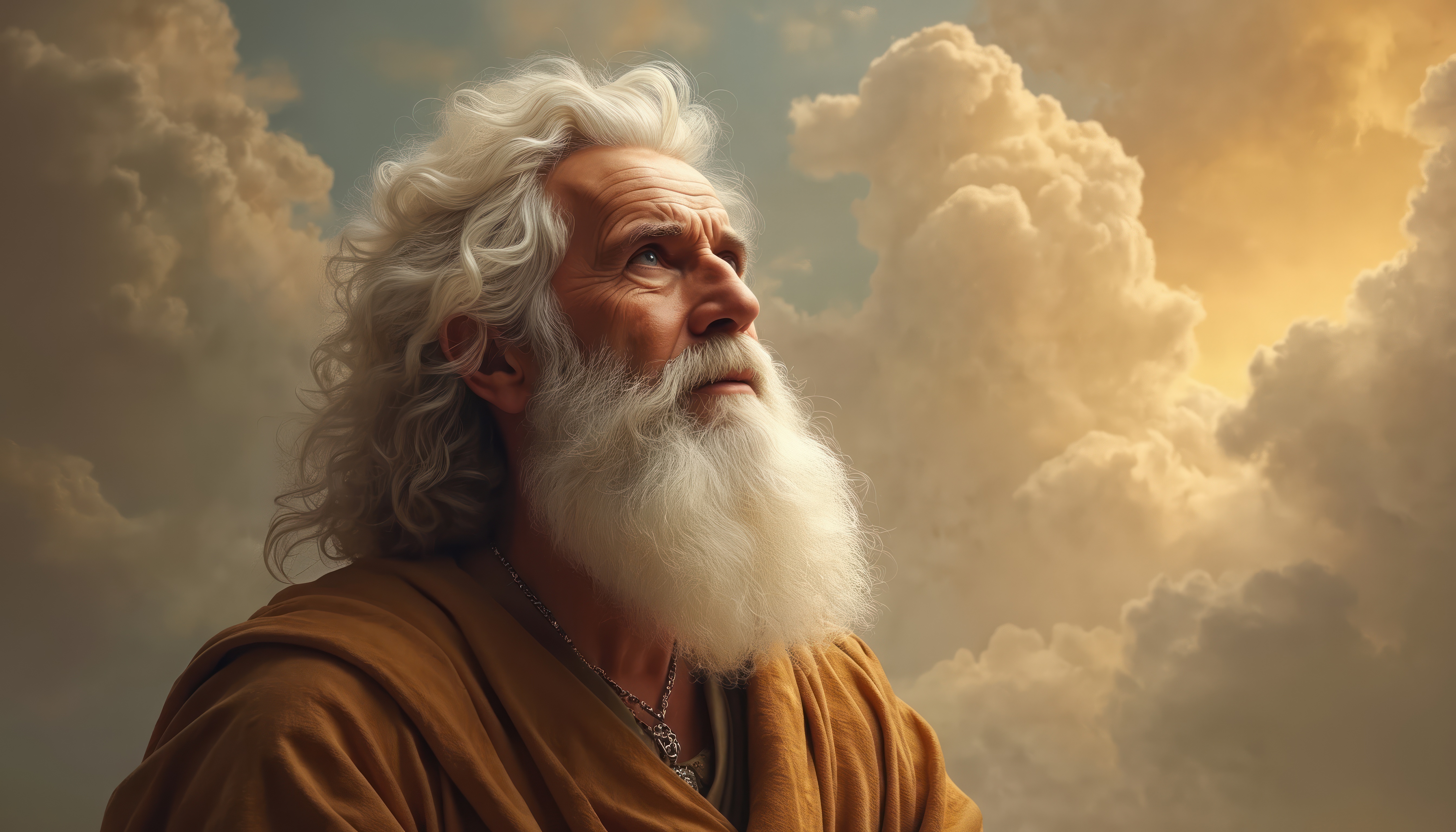
Underlying the regular events of Genesis 23 is a lesson that remains relevant today. The Lord is the source of our blessing. Even when He seems “in the background,” the Lord is working. The Lord had already provided the money Abraham needed for the purchase. The Lord had already made the people favorable towards Abraham. After all, he was a foreigner and could have easily been denied the ability to purchase the land.
But the Lord was working long before the events we read about today.
Dear one, the Lord is still working. He’s still working in the regular events of your life. He worked yesterday to provide today’s favor. He’s still preparing the divine favor you’ll need tomorrow. He’s there. He’s with you. And He’ll be there for all your tomorrows.
 Life Meets Theology