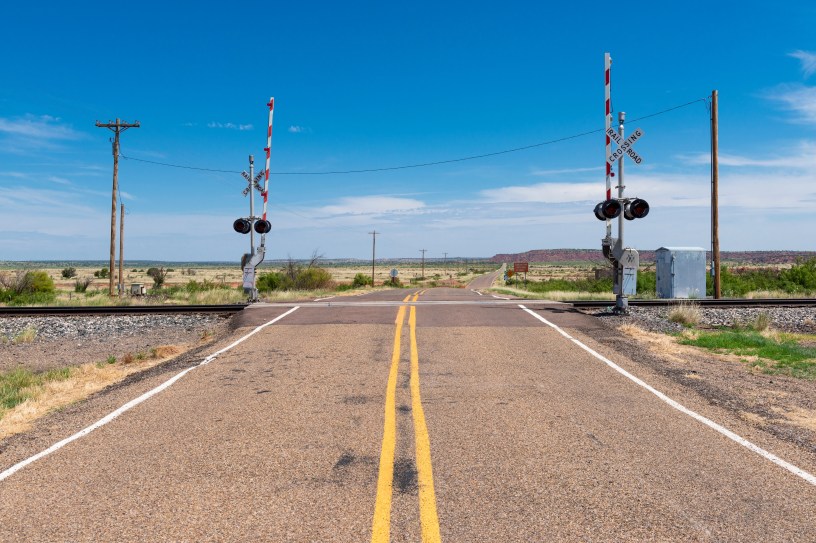
I spent my early childhood in a small town in Texas named Ferris.
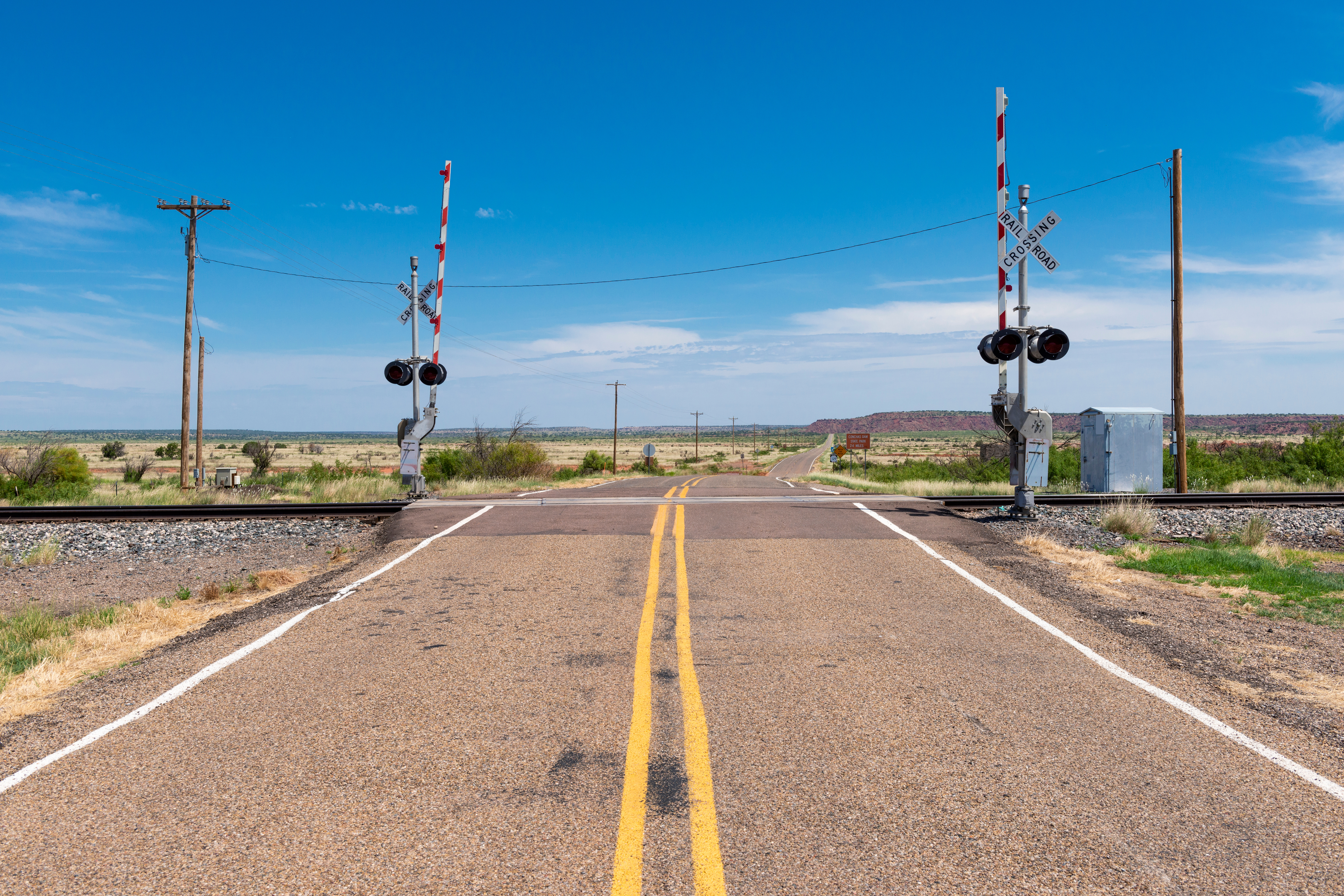
It had a set of active train tracks running through it. We didn’t have gates that closed over the train tracks. When trains would come through, people would try to beat them. They didn’t always make it. And we saw our fair share of train accidents.
The train came to a stop far from the crossing without much of a scratch. Meanwhile, a smoking pile of twisted metal lay there as a reminder of the great forces involved.
We could learn something by seeing sights like that. It makes it real for us.
God’s judgment is a lot like those trains. Because we haven’t seen it with our own eyes, we entertain doubt that it’s really as bad as it is.
Today, our passage invites us to look at the smoldering remains of Sodom, Gomorrah, and the cities of the plains. We are called to reflect on it and remember it.
We read in Genesis 19:27-29:
27 Early the next morning Abraham got up and returned to the place where he had stood before the Lord. 28 He looked down toward Sodom and Gomorrah, toward all the land of the plain, and he saw dense smoke rising from the land, like smoke from a furnace.
Genesis 19:27-29, New International Version
29 So when God destroyed the cities of the plain, he remembered Abraham, and he brought Lot out of the catastrophe that overthrew the cities where Lot had lived.
We started with Abraham in Genesis 18, and now, we end with him. Abraham awoke. He returned to the place where he had stood before the Lord just a day or two earlier.
The phrase at the end of verse 28 tells us of the magnitude of the events that had transpired. The dense smoke rose “like smoke from a furnace.” We’re reminded this phenomenon was not a mere natural occurrence. We are reminded that this was God’s act of judgment.
From a human perspective, Abraham wondered what happened to his family living there. Also, Abraham’s gaze reminds us that not even ten righteous people could be found to spare these cities.
These are my conjectures. Abraham was silent as the putrid smell of sulfur filled the dense smoke as it rose from the plain.
Abraham looks upon the answer to his question in Genesis 18:25. There, he asked the Lord “will not the Judge of all the earth do right?” The answer was obvious.
Yet, there was grace. When God destroyed these cities, he spared Lot because of Abraham. Abraham’s blessing was extended to Lot. It saved his life.
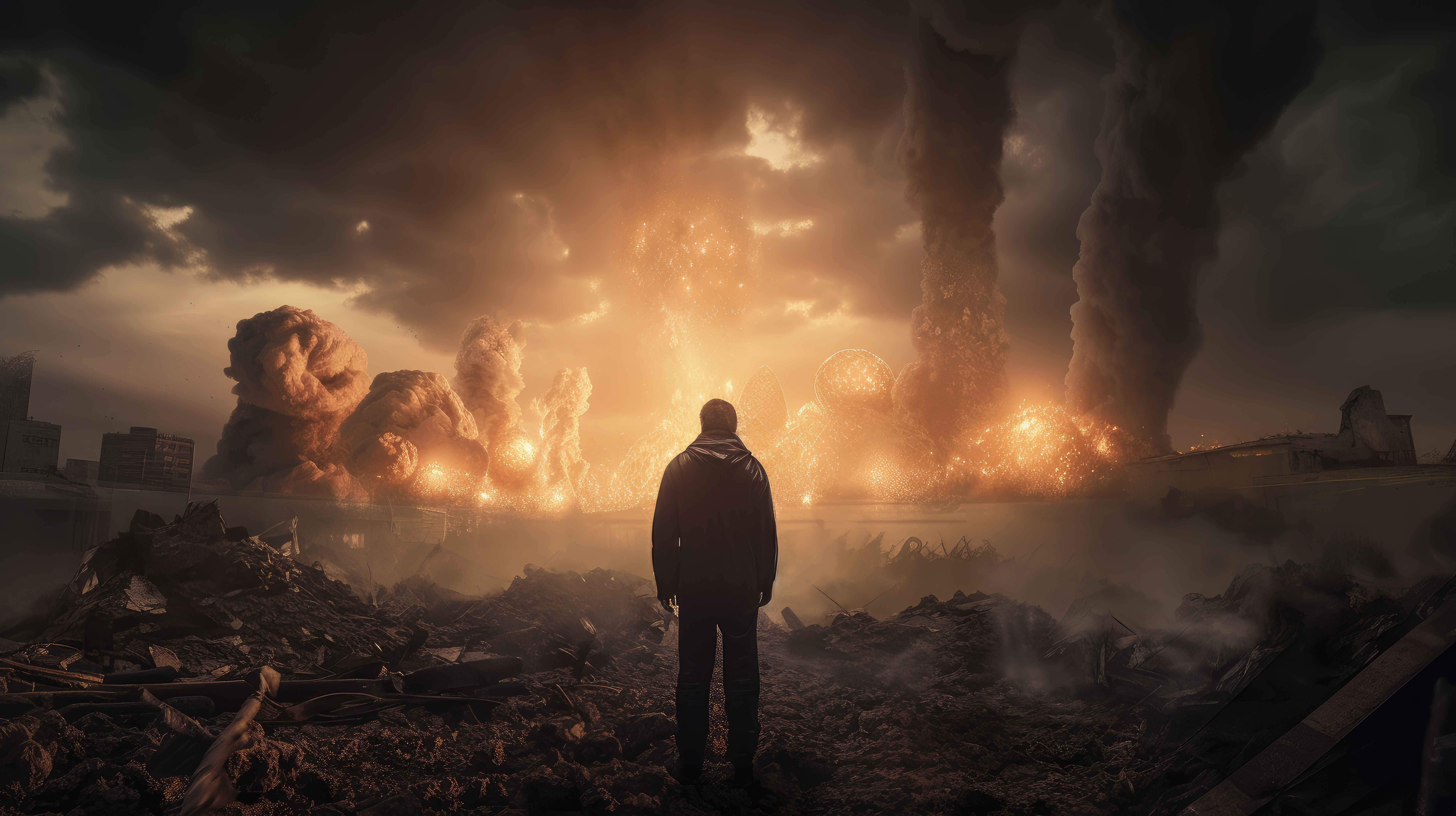
But there was no rejoicing in the fall of the wicked. There was no dancing and no singing. Abraham stood silently.
The fertile fields Lot had chosen for his own were not only reduced to a furnace. It was sterilized and dead.
We do not see in the text that Abraham ever heard from Lot again. We do not even know if Abraham ever received word of Lot’s escape. As far as Abraham knew, Lot died in the catastrophe.
And he stood silently. But this was after Abraham interceded on behalf of all those people.
Abraham spoke up before the destruction, and now he is silent.
May we intercede for the world. Let us put feet to that prayer. May we drag as many safely to heaven with us as possible!
 Life Meets Theology
Amen!