
I’ve learned to love Fall time.
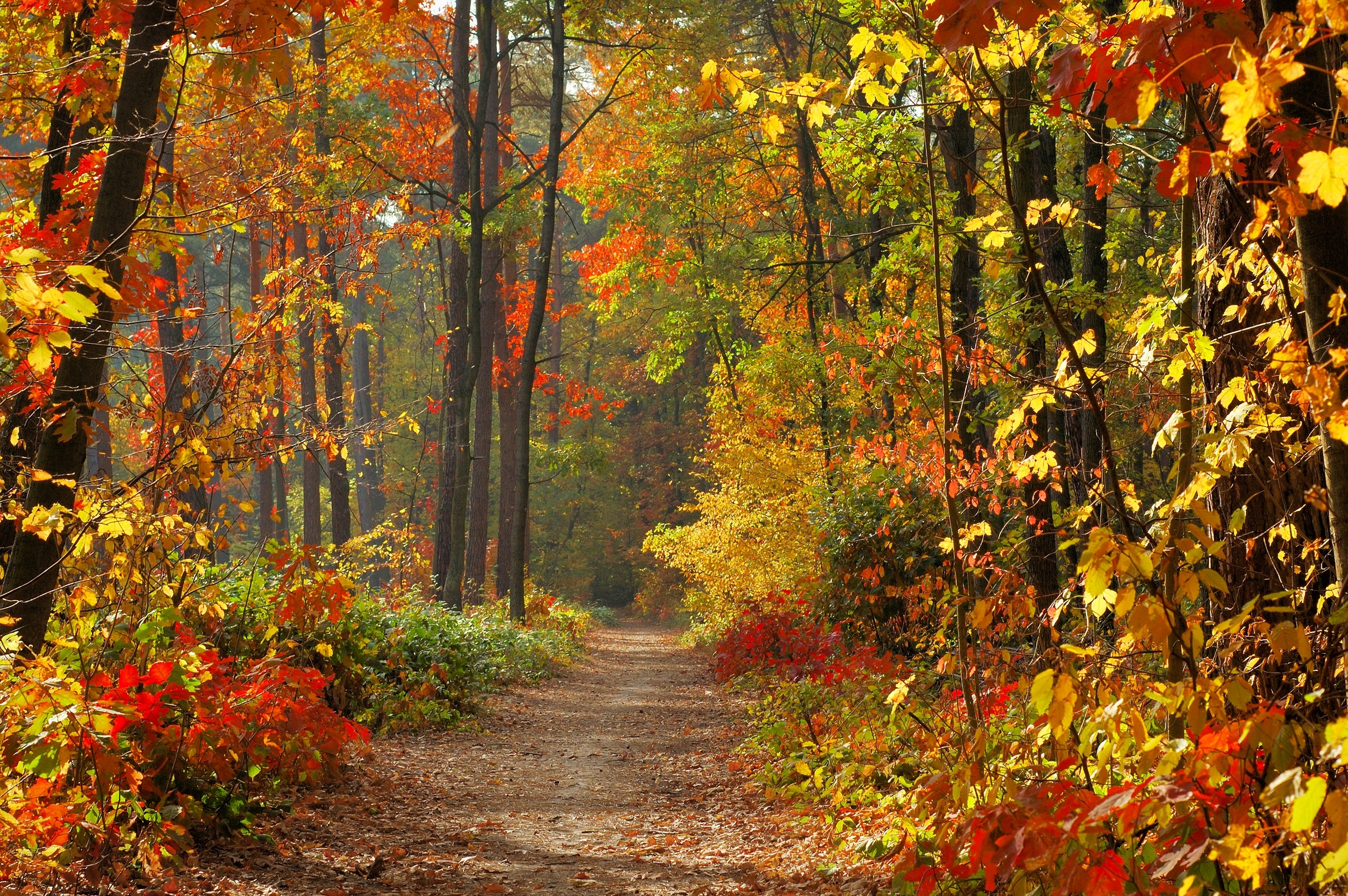
I blame my wife. 🙂 I didn’t much care for it for a long time because winter was my favorite, both because of Christmas and I love cold weather.
But when we got married, I quickly adapted to her love for Fall. The colors are unique. The flavors we add to food and drinks are special. For Americans, Fall culminates in the fourth Thursday of November: Thanksgiving. (Yes, I know Fall actually ends a few days before Christmas, but most of us organize our lives by holidays and not day on a calendar for season changes.)
But where did these seasons come from? Genesis 1:14-19 tells us—and tells us why we have them.
And God said, “Let there be lights in the vault of the sky to separate the day from the night, and let them serve as signs to mark sacred times, and days and years, and let them be lights in the vault of the sky to give light on the earth.” And it was so. God made two great lights—the greater light to govern the day and the lesser light to govern the night. He also made the stars. God set them in the vault of the sky to give light on the earth, to govern the day and the night, and to separate light from darkness. And God saw that it was good. And there was evening, and there was morning—the fourth day.
Genesis 1:14-19, New International Version
Day four can be a little confusing. We tell people the sun, moon, and stars were all made on day four, but we’re only partially correct. Verse 14 (in Hebrew) indicates the lights were already in the sky (and outer space). In Hebrew, verse 14 reads, “And God said, ‘Let the lights in the expanse of the sky separate…”
God’s command clears the haze, establishes orbits, and provides meaning and function to the various natural lights.
Verse 16 specifies the functions of the two light sources: the sun and moon. I don’t need to tell you the general importance of the sun and moon both to modern and ancient cultures.
However, the Hebrews operated on a lunar calendar (modern-day Westerners operate on a solar calendar). This made the moon something very special to them. They didn’t fear it (as some other cultures might have). Nor did they view the sun and moon as gods that chased each other in the sky. Instead, the Bible made it clear that these were objects created for a purpose by God.
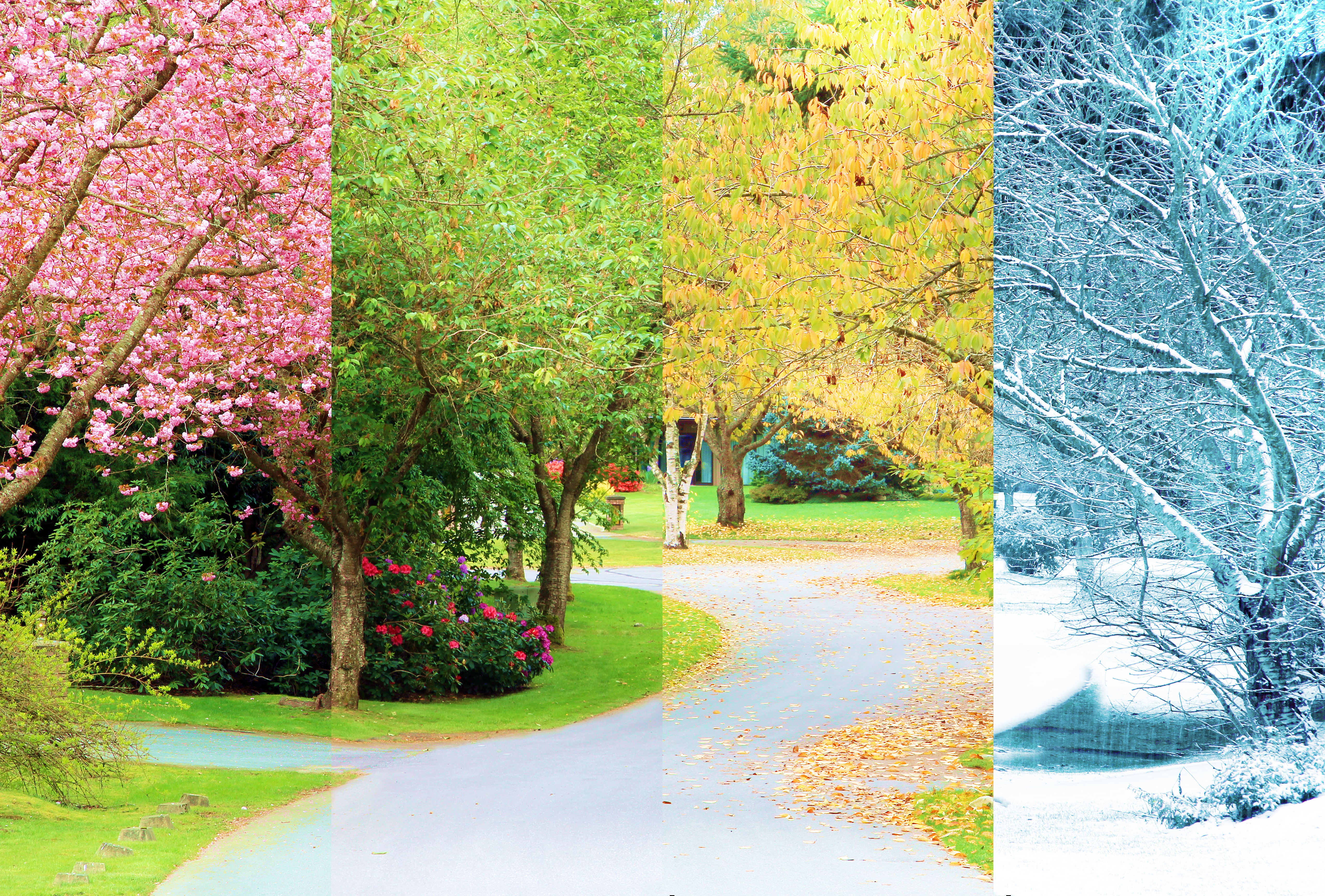
Part of this purpose explained the cycle of seasons, but day four also provides us a key theological idea: signs. The last part of verse 14 informs us they “…serve as signs to mark sacred times, and days and years…”
In the Old Testament, signs function as a guide to God or a message from Him. The emphasis here is not that there are seasons or night and day. The emphasis here is that the Lord uses these as signposts pointing to Him.
As you are reading this, autumn has just started. We acknowledge that on our calendar and sooner or later, the weather does too.

But as the leaves start to dry out and fall, it is a reminder that change can be beautiful. The Lord walks with us through the pain of change, but it is beautiful. Winter reminds us that God is good even in the hard times (and that it won’t last forever). Spring teaches us about the Lord’s renewal of our souls. Summer is when our growth mirrors the plants thriving in the sun.
These are signs that the Lord has woven into His creation. They are signposts pointing to Him. They are fingerprints that belong to the Almighty.
Over the next few weeks and months, marvel at the Lord’s handiwork in the seasons. The days cooling off and getting shorter. The leaves changing color and falling. Look at His fingerprints.
Worship the God who creates and recreates.
And enjoy some nice pumpkin spice syrup in your coffee while you munch on some pumpkin bread on a cozy couch while watching a movie.
 Life Meets Theology