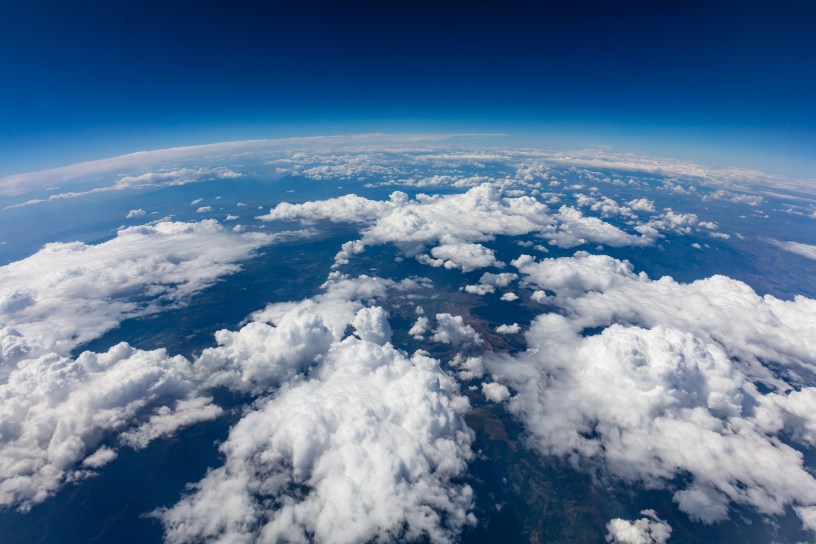
The sky amazes me.

On a clear summer day, it’s blue and filled with clouds. These clouds move with the wind and blend into the clouds around them. Our minds see these random blobs and start to see patterns, shapes, and faces.
On a clear night, the sky is filled with stars, galaxies, and the planets of our solar system. They seem so permanent. And like clouds during the day, our minds see these stars and start forming patterns: the constellations.
Like I said, the sky amazes me.
Genesis 1:6-8 tells us where this space between the ground and outer space came from.
And God said, “Let there be a vault between the waters to separate water from water.” So God made the vault and separated the water under the vault from the water above it. And it was so. God called the vault “sky.” And there was evening, and there was morning—the second day.
Genesis 1:6-8, New International Version
As stated before, the creation story is told from the perspective of a human standing on the earth and watching it all happen. Of course, no human was there, but the story was going to get told from someone’s perspective. The Holy Spirit told it from one we’d understand: ours looking out.
In the Ancient Near Eastern world, their view of the world was different from ours. Their perception of the universe was as three layers. And in their minds, the universe was mainly comprised of the Earth. It was undoubtedly the focal point of their lives, as it is ours.
The first layer of this structure was the “heavens.” This included the blue sky above us and the starry sky at night. It stretched from horizon to horizon. The second layer was the “earth.” This is what we would call the surface of the planet. The final and lowest layer was the underworld.
The sky above contained water. And that’s true. The atmosphere as we know it does contain water. And the atmosphere before the Flood was certainly different. But we’ll get that to in a few weeks.
In the time of Moses, they certainly knew rain fell from clouds, so in their minds, there was water above and water below. The water below includes the oceans, yes, but in their minds, the continents floated on the oceans. And the oceans were the “top” of the underworld.
Also, in the Jewish mindset, they thought the clouds came from the ends of the Earth. They also believed the gates of Heaven were at the ends of the Earth. This is why rain is referred to as opening the gates of Heaven. It was a reference to the Lord’s blessing to release rain from Heaven to the Earth.
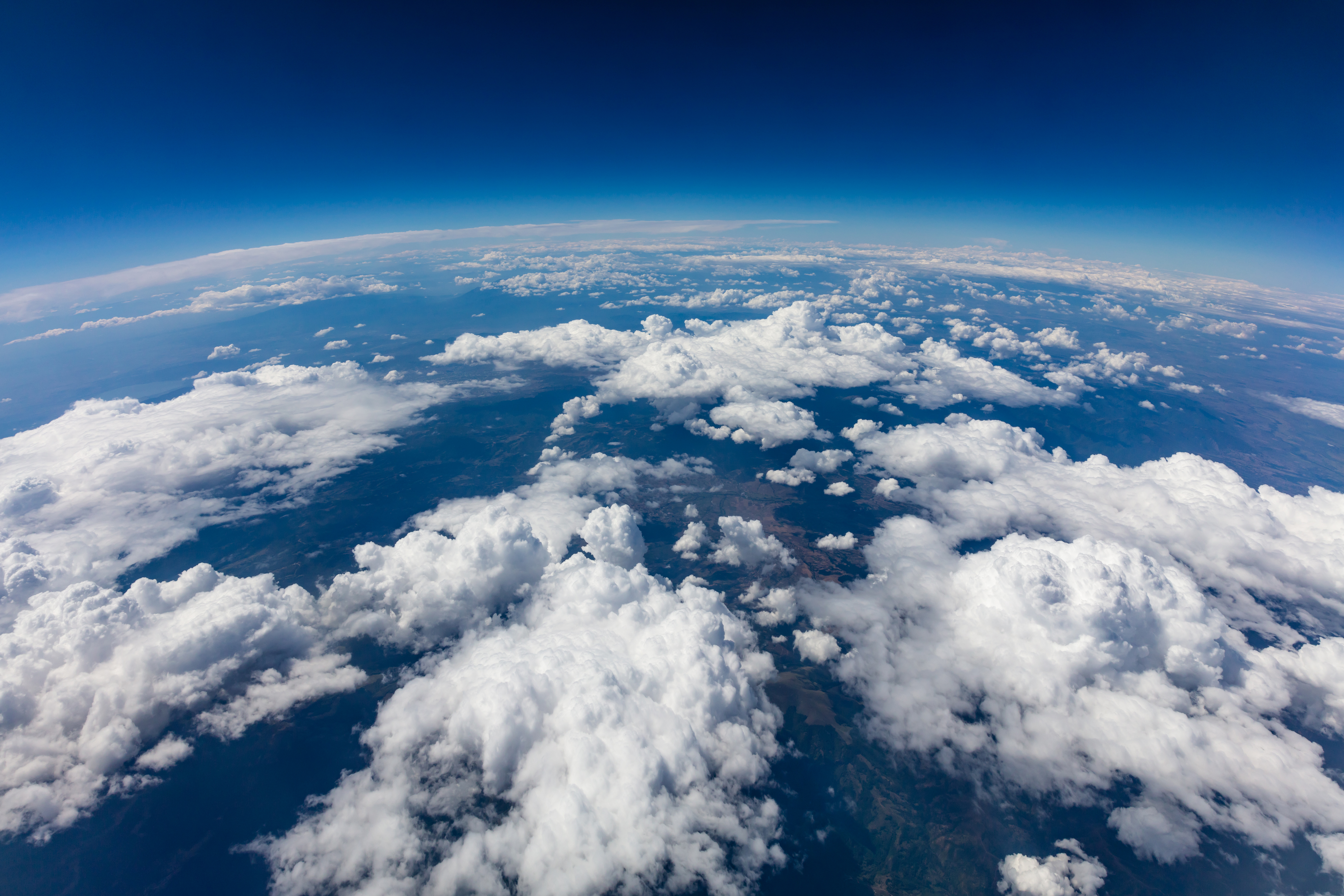
Even in our modern understanding, this makes a lot of sense. We understand where the clouds come from because we know the water cycle. We understand that the air we breathe contains water. But Genesis 1:6-8 validates all this even if it doesn’t use our modern words for the same phenomenon.
Remember what I’ve been reminding us: the creation account isn’t concerned with telling us each and every detail of how God did it. It is concerned with us knowing that God did it.
As we continue looking at God’s creation of everything, it’s important we stop and admire His handiwork. The ancients did, and it drew them to the Lord. When we stop and admire His handiwork, we will join in declaring the greatness and power of our God.
Step outside tomorrow morning and watch a sunrise or watch today’s sunset.
While we can describe scientifically what’s happening with the blues, pinks, reds, clouds, and rays of sunshine, can we scientifically describe its beauty? Does knowing the specifics make it less awe-inspiring?
What about the fragrance before or after it rains? It’s called petrichor, and it does something deep inside of us. Why? Because our souls know and recognize the fingerprints of our Creator.
 Life Meets Theology